

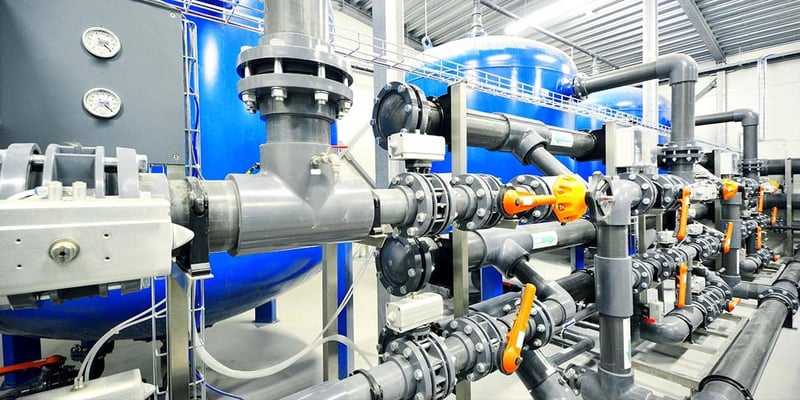
Modernizing a water or wastewater facility isn’t like upgrading office software. These systems run critical infrastructure. Water is moving, compliance requirements are constant, and shutting down operations simply isn’t an option.
That reality shapes how modernization must be approached.
Evaluating SCADA and Other Infrastructure
Although there are standard processes and subsystems in any Water/Wastewater plant, each facility does have its own unique combination and styles of operation. The Vertech method starts by understanding how the facility actually operates today, which is a complex interplay of human action and the infrastructure. We conduct a thorough review of the existing SCADA system, PLC capabilities, reporting needs, network, database, and operational priorities. Just as importantly, we work with the people who interact with the system every day so the new system reflects how the plant truly runs.
Early stakeholder involvement typically includes:
- Operators and end users who work with the system daily
- Supervisors and plant managers responsible for performance and compliance
- District leadership focused on operational goals
- IT teams and technicians who will support and maintain the system long after implementation
Getting this input early helps align expectations and prevents surprises later in the project.
Incremental Facilities Modernization
Once requirements are clear, we design the new system architecture and break the plant into manageable subsystems. Instead of replacing everything at once, modernization happens incrementally. This staged approach reduces risk and allows improvements to be introduced while the facility continues operating normally.
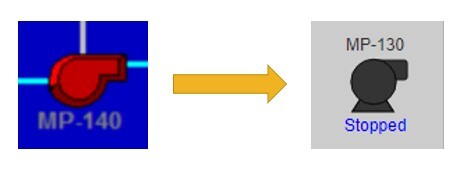
During development, we rely heavily on a template-based approach. Standardized templates allow us to build screens, equipment models, and workflows efficiently while maintaining consistency across the system. The benefits are practical:
- Faster development of SCADA screens and equipment models
- Consistent structure across the entire system
- Faster implementation of change requests
- Negligible impact on project timelines when adjustments are needed
Early Prototyping
Another part of our process that clients often appreciate is how early they can interact with the new system.
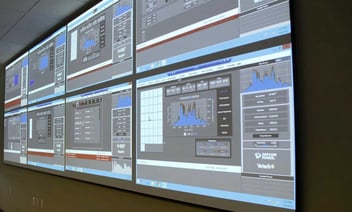
Instead of showing static screenshots, we create a simulated interface environment that behaves like the real system. Using simulated PLC data, operators can click through screens and see realistic responses.
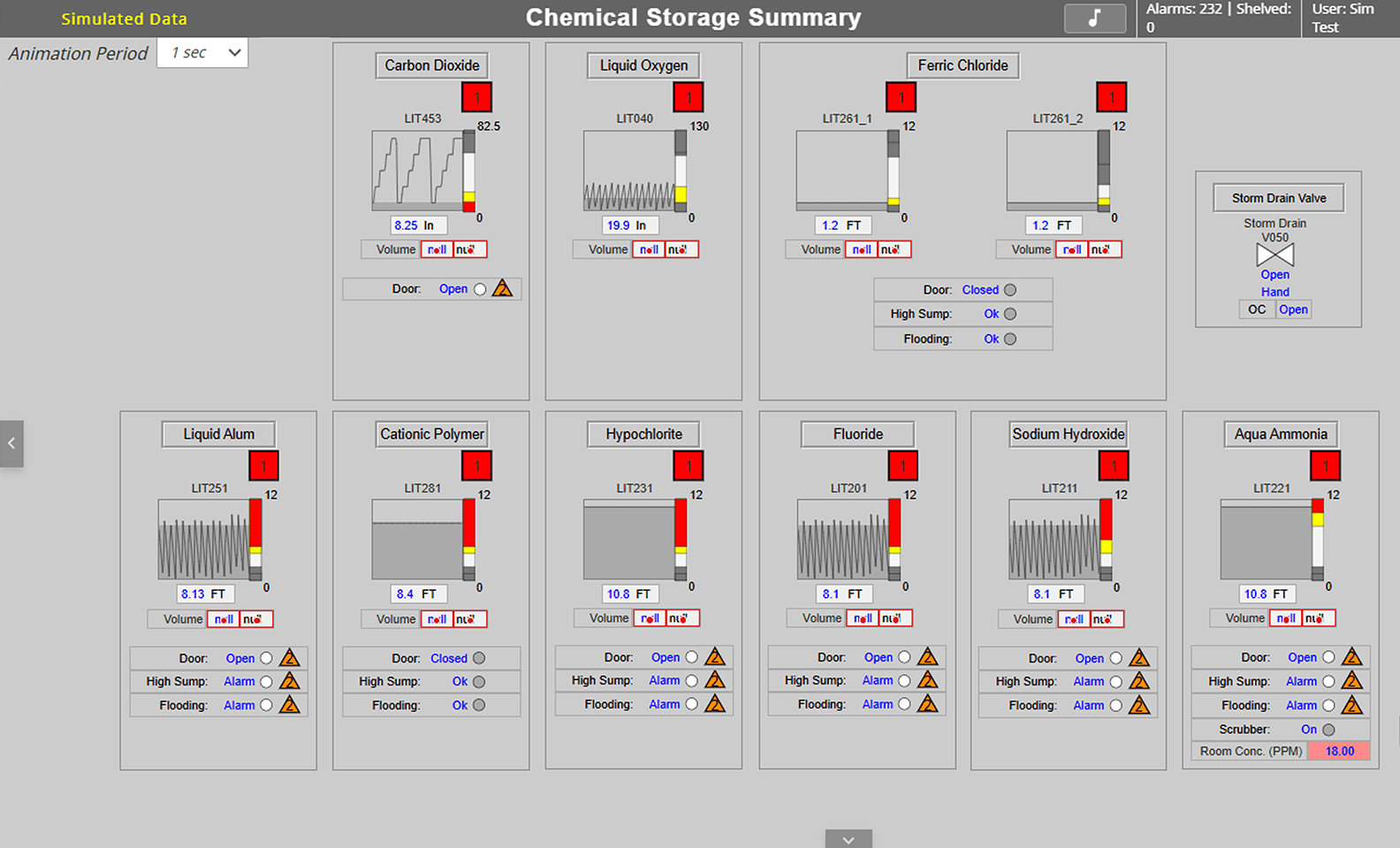
This allows stakeholders to:
- Experience the look and feel of the new system early
- Validate workflows and screen layouts
- Provide feedback before deployment
- Avoid confusing “empty screens” or error messages during demonstrations
As development progresses, we often run the new SCADA system in parallel with the existing one. A separate server connects to the plant’s PLCs at a conservative scan rate so operators can view the new interface without affecting plant control.
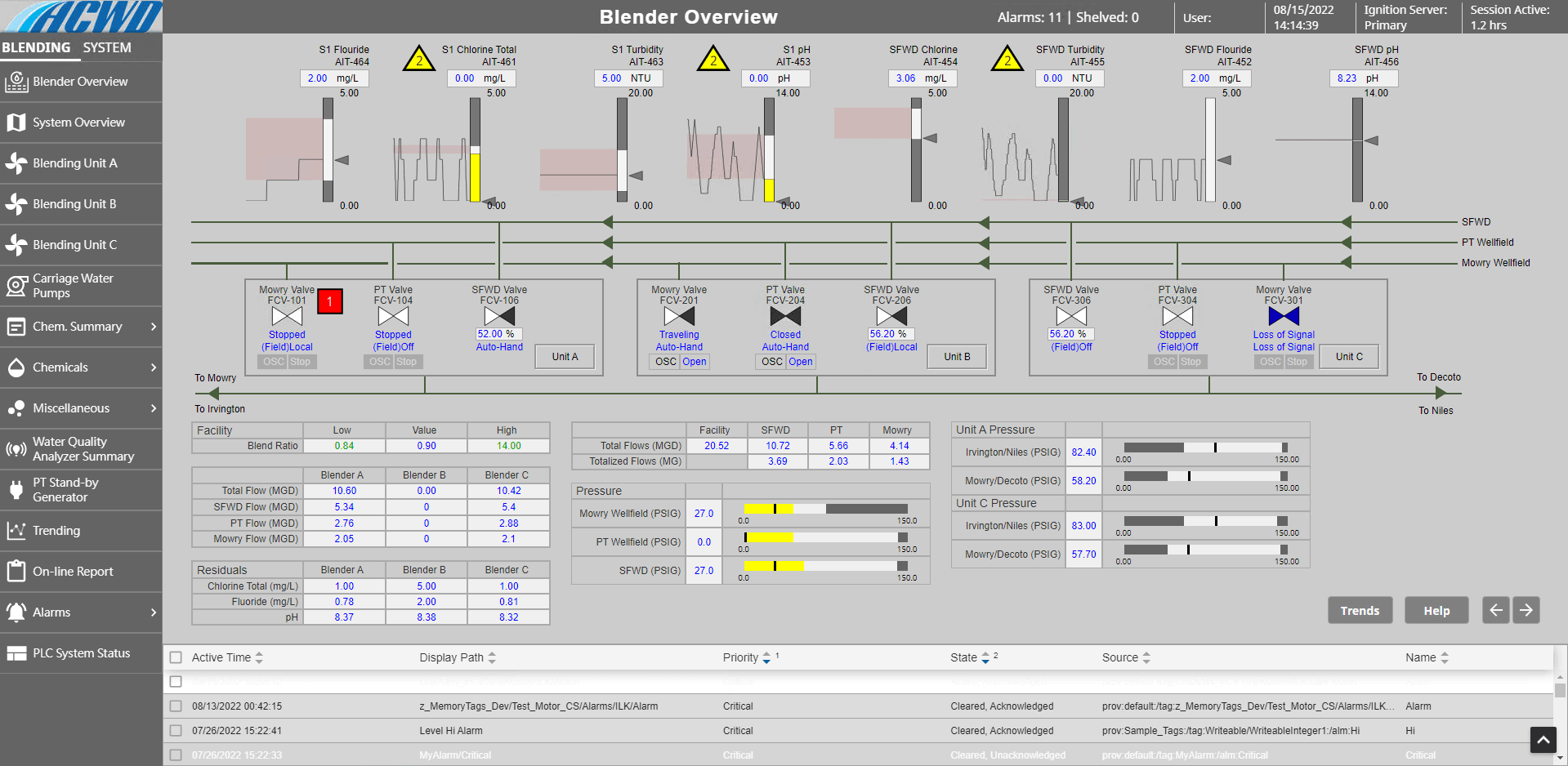
Controlled Transition in Phases
When it’s time for final implementation, we coordinate with planned maintenance windows or periods when operations can briefly scale back. Because modernization happens in phases, each subsystem can be cut over, tested, and stabilized before the next phase begins.
The result is a controlled transition from legacy systems to a modern SCADA platform—while keeping the plant running and the water flowing the entire time.



Comments